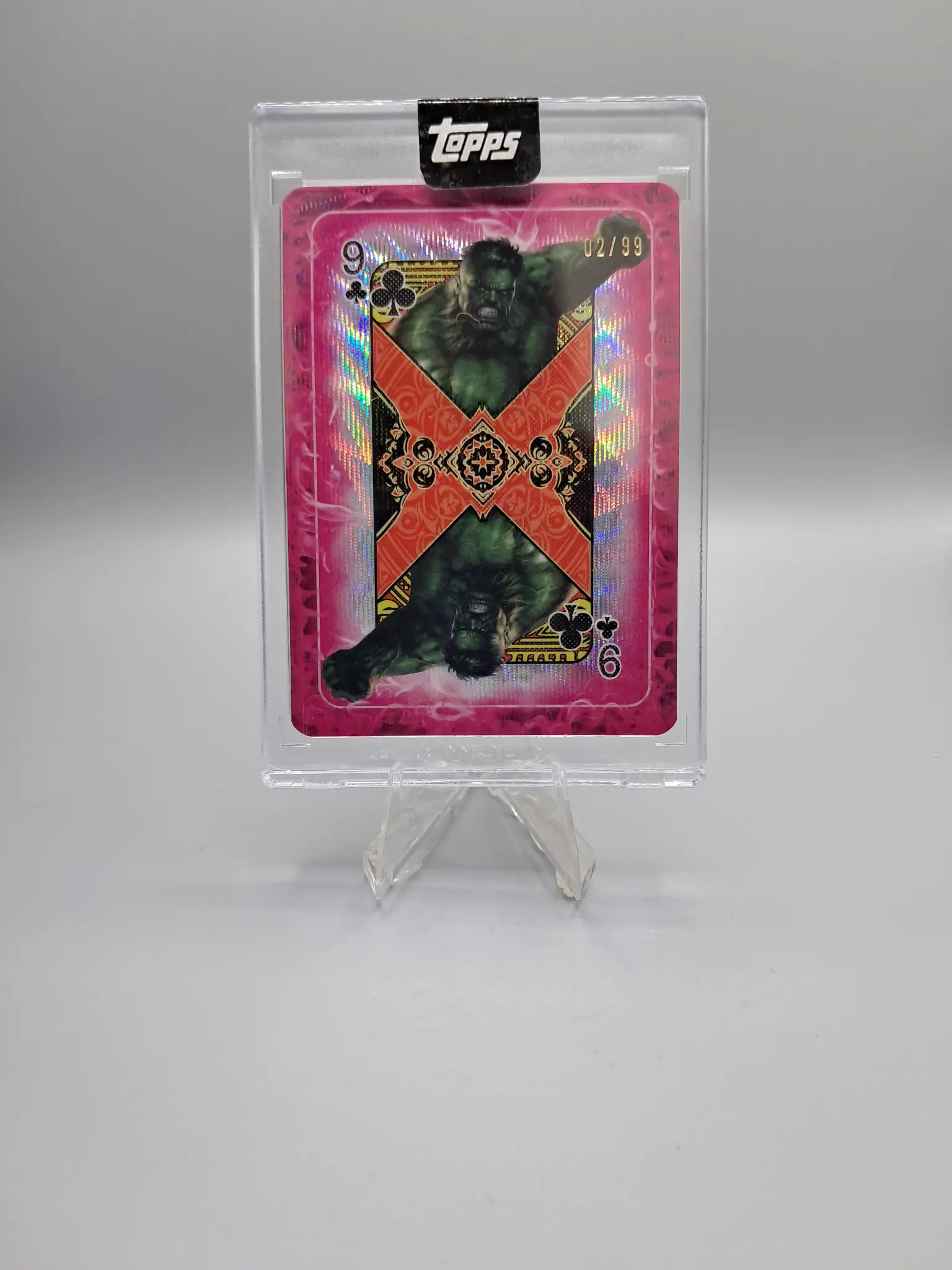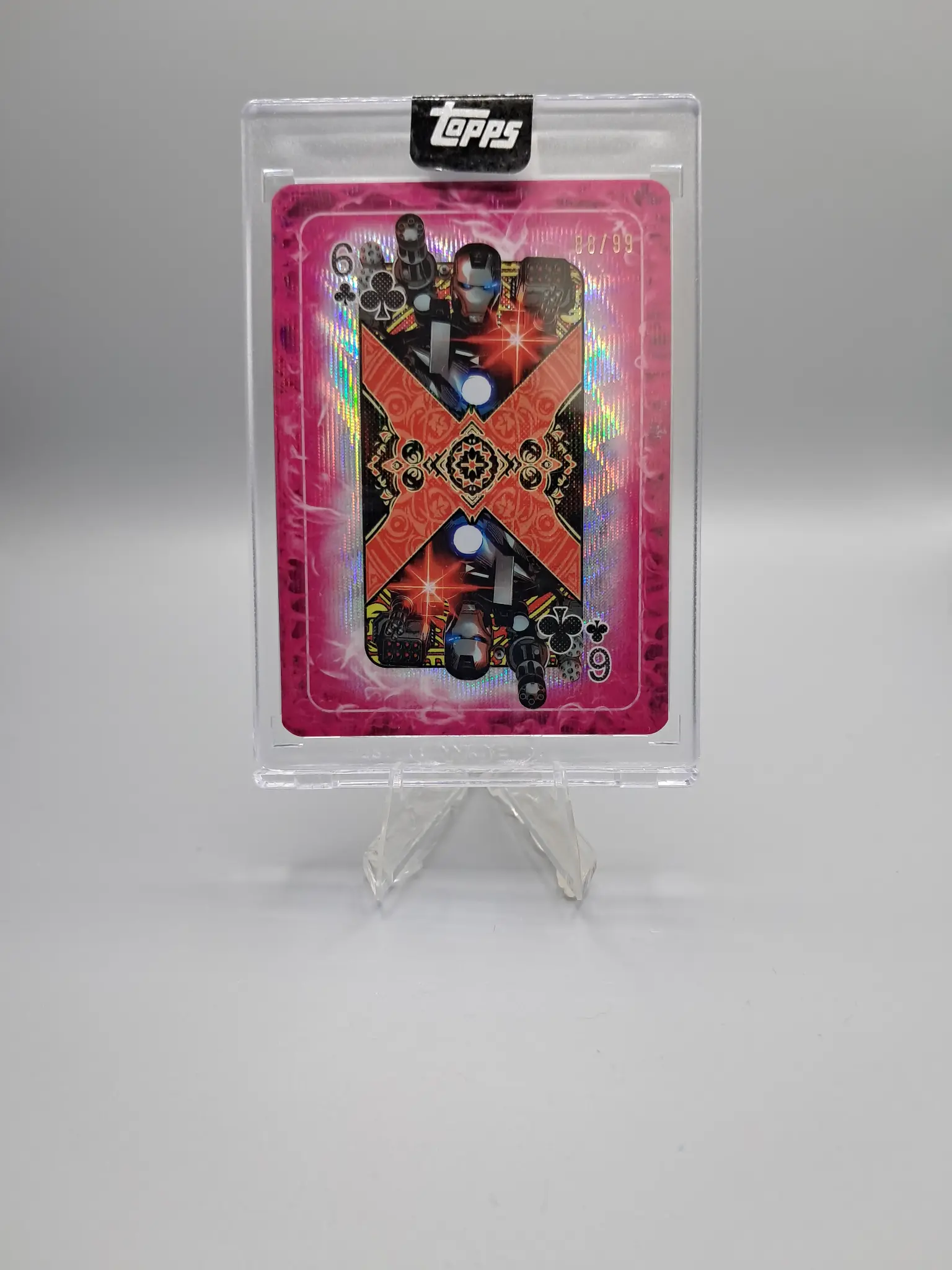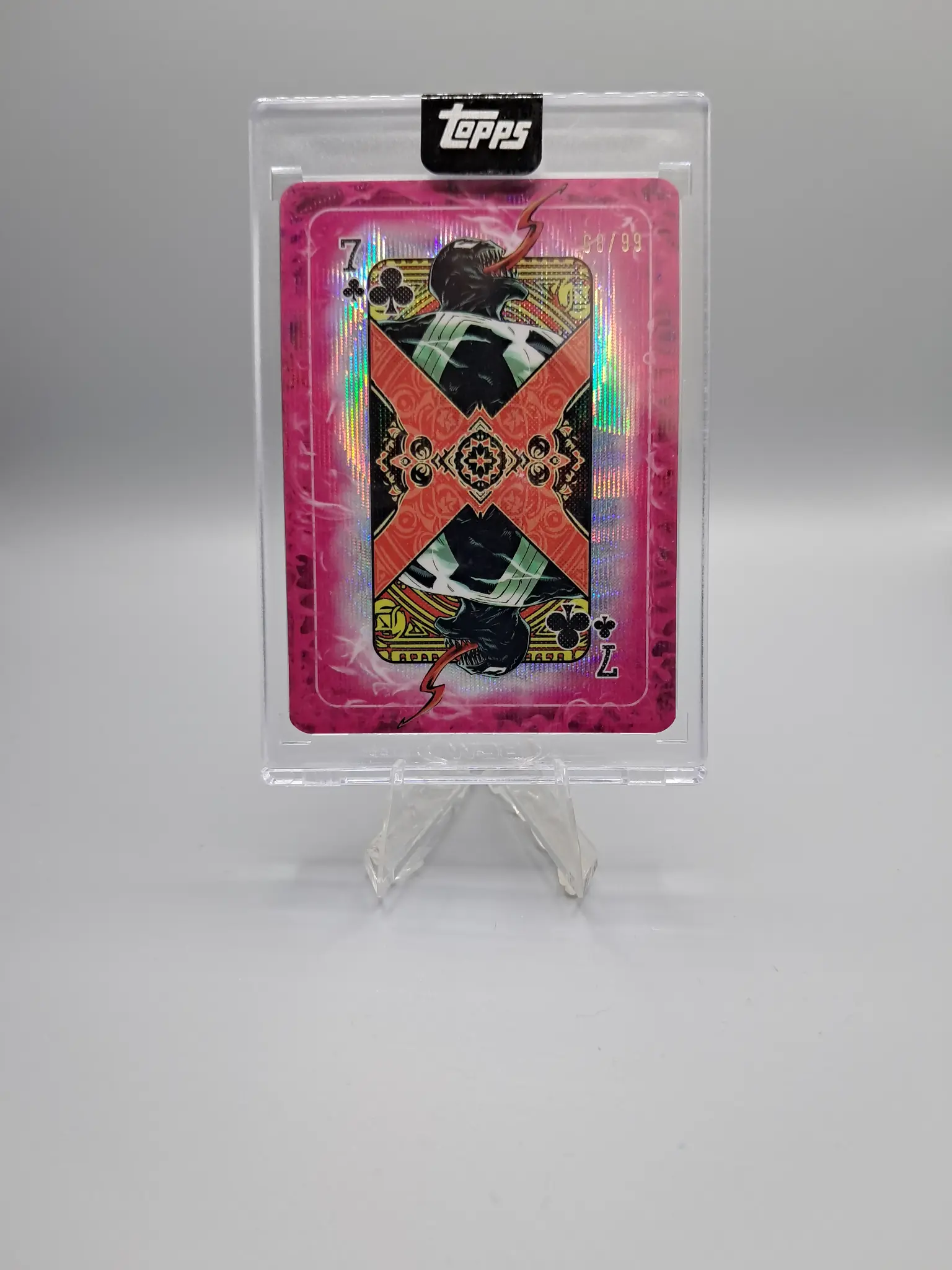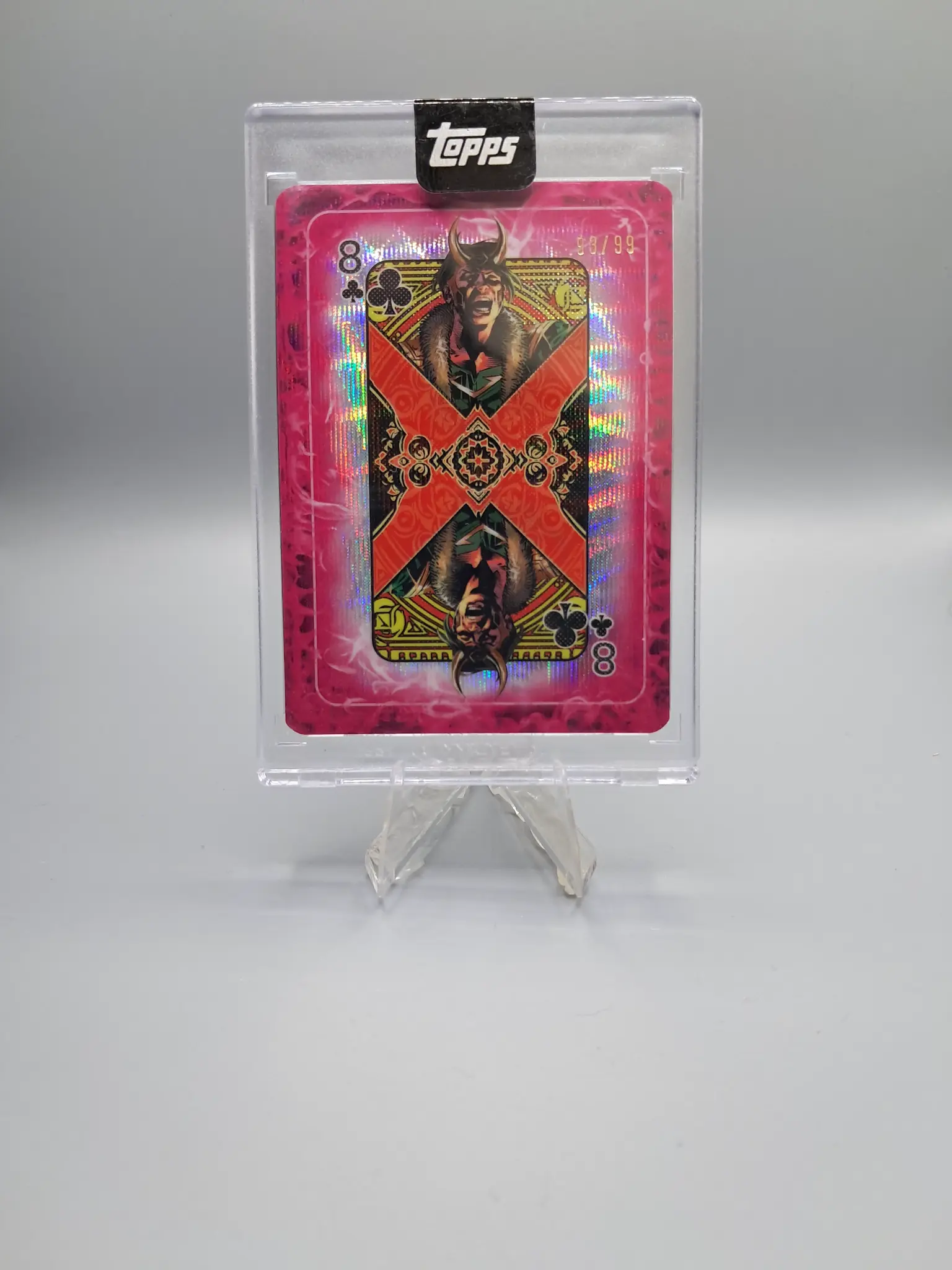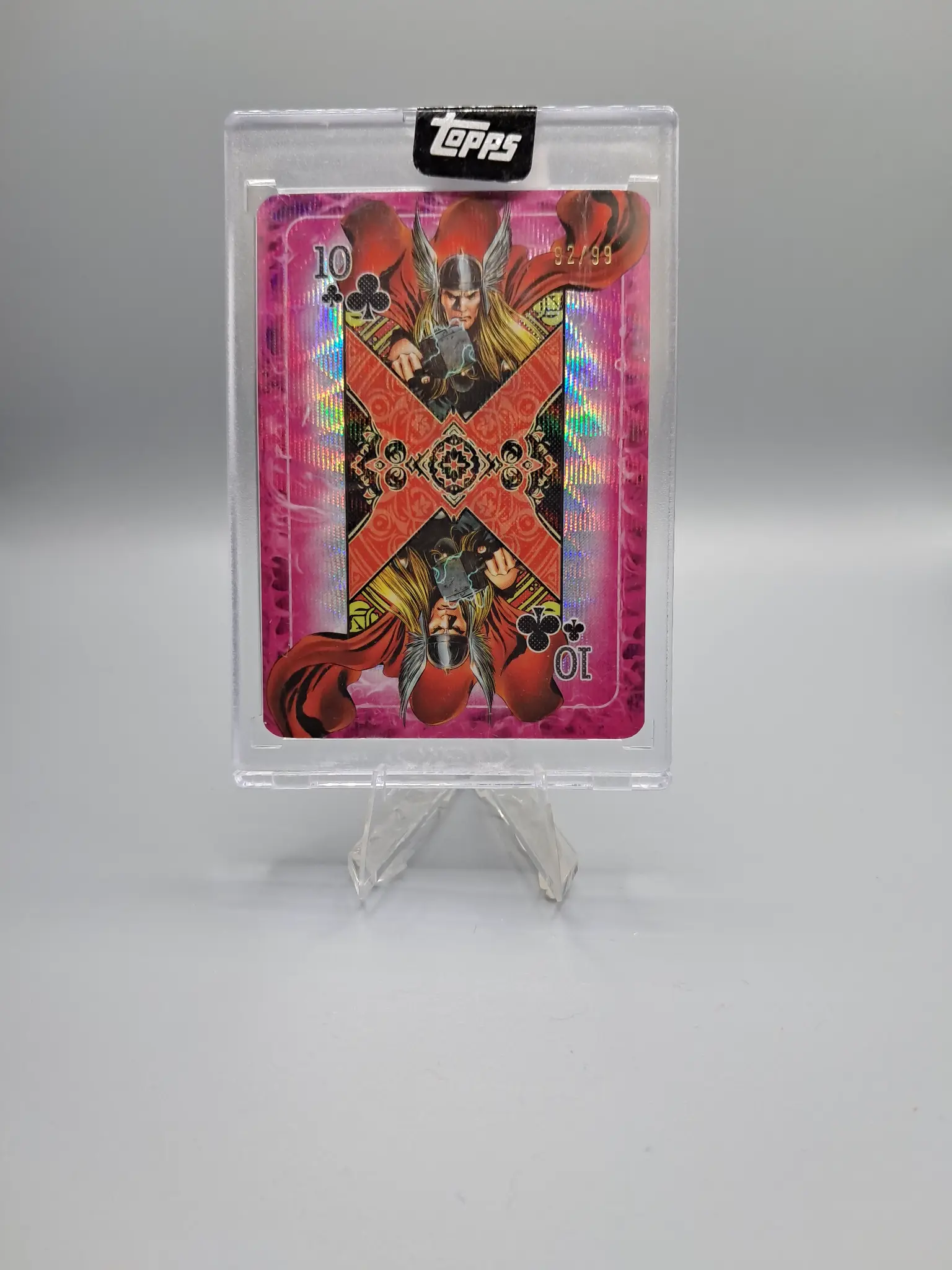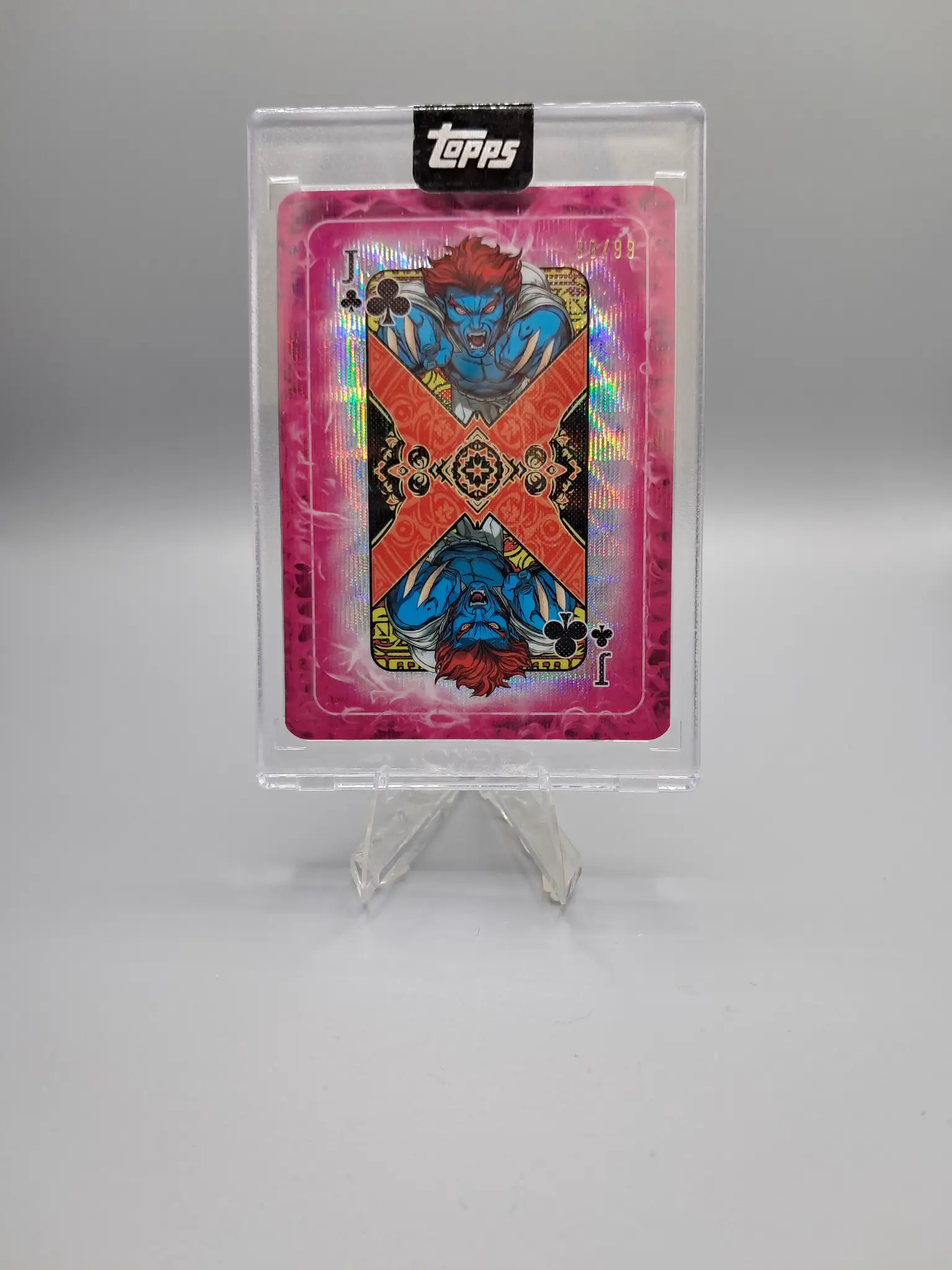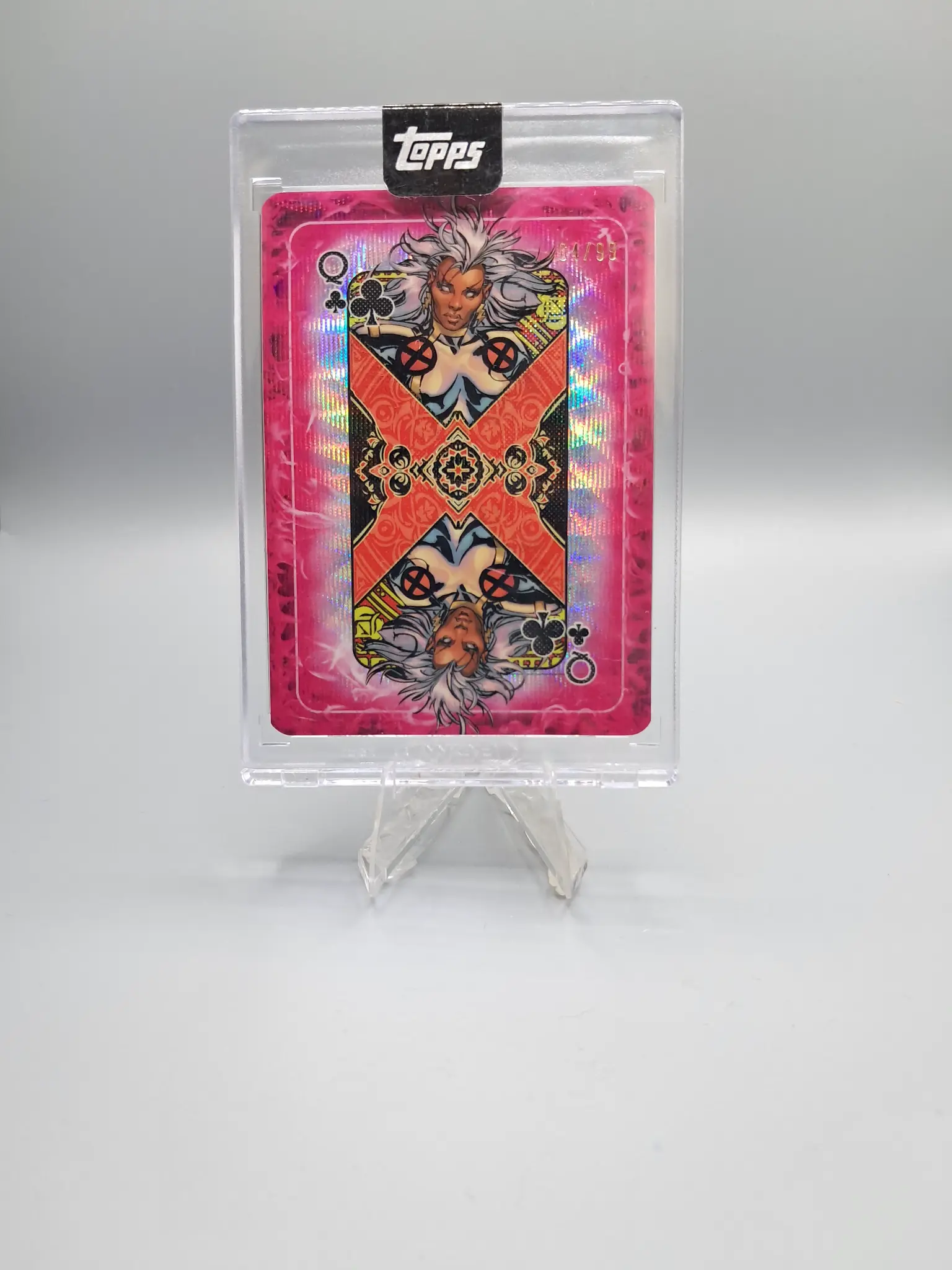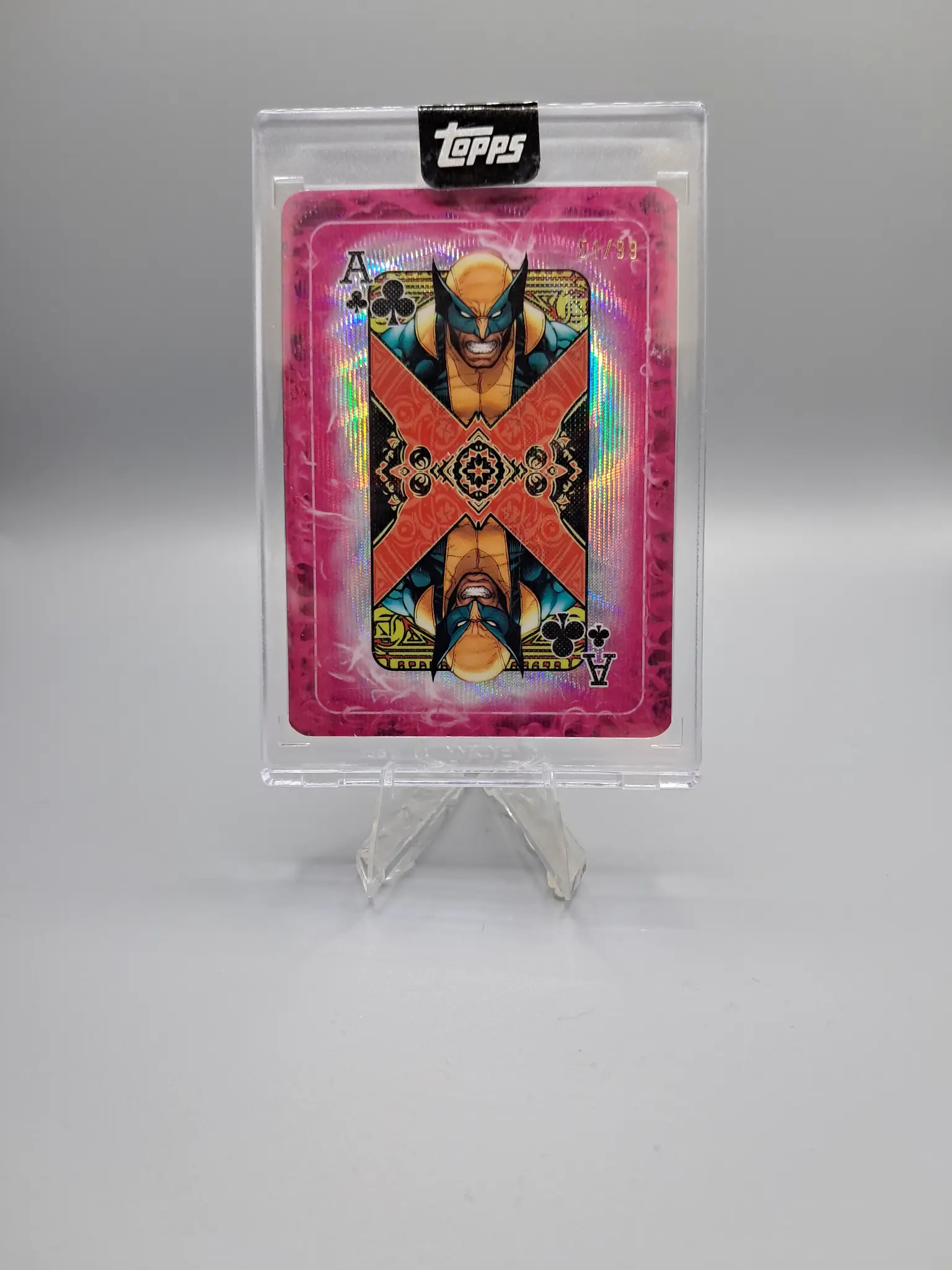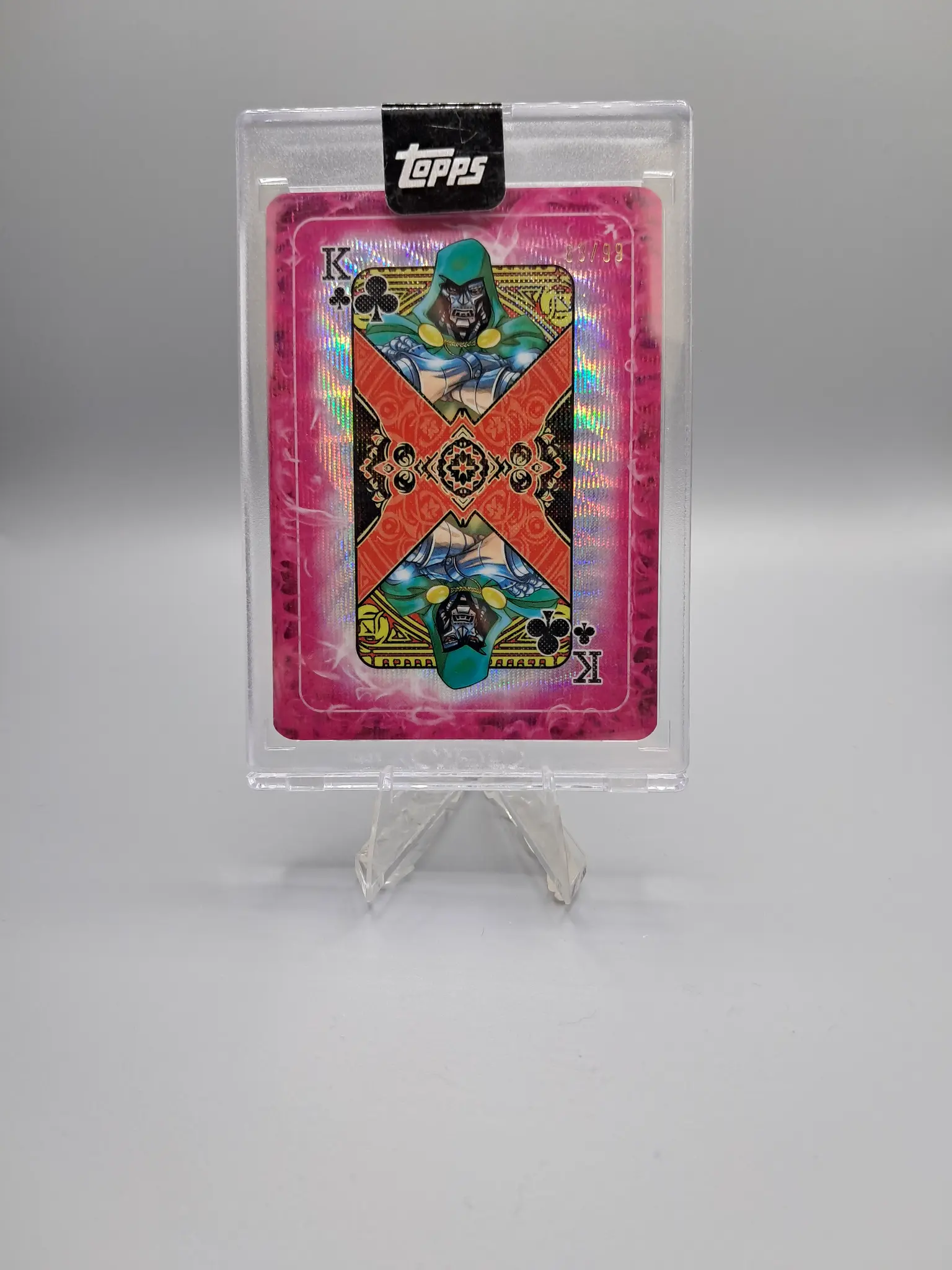
Origin Story & First Appearance
Alright, gather 'round, fellow collectors! Today we're diving deep into a character that, let's be honest, often gets overlooked in the grand tapestry of Marvel's cosmic and street-level sagas. We're talking about the King of Clubs! Now, if you're scratching your head, wondering if you missed a major arc or a blockbuster movie, don't worry, you're not alone. The King of Clubs isn't your typical headliner, but his story is a fascinating footnote in Marvel's rich history, particularly for those of us who appreciate the more obscure corners of the universe.
His true origin is shrouded in a bit of mystery, much like the character himself. The King of Clubs isn't a single individual in the traditional sense, but rather a concept, a role, tied to a very specific, quirky, and ultimately tragic group: the Crazy Eight. These guys were part of the Royal Flush Gang, a recurring group of supervillains primarily associated with DC Comics. "Wait, DC?" I hear you ask. And you'd be right to! This is where it gets interesting and a little bit meta for Marvel. The King of Clubs, as we briefly glimpse him in Marvel continuity, is a direct, playful nod, almost an homage, to that DC concept, but reinterpreted through a distinctly Marvel lens for a very specific, short-lived narrative.
His first appearance in Marvel Comics is a blink-and-you-miss-it moment, but it's significant for what it represents. He appeared in Sensational She-Hulk #14, published in April 1990. This era of She-Hulk was wild, a fourth-wall-breaking, self-aware masterpiece, penned and drawn by the legendary John Byrne. Byrne, known for his incredible runs on Fantastic Four and X-Men, took She-Hulk into completely uncharted territory, often having her argue with him, the writer, or literally step out of the comic panels. It was in this context of playful absurdity that the Marvel version of the King of Clubs made his debut.*
In this particular issue, She-Hulk is dealing with all sorts of bizarre legal cases and superhero shenanigans. The King of Clubs, along with the rest of the Crazy Eight (who are essentially a Marvel-ized version of the Royal Flush Gang), are presented as a group of super-powered individuals who are, frankly, a bit inept and more comedic relief than genuine threat. They're not given deep backstories or complex motivations; they're there to serve a specific, humorous purpose in Byrne's narrative. The individual who takes on the mantle of the King of Clubs in this appearance is never truly named beyond his codename, further emphasizing his role as a thematic character rather than a fully fleshed-out one. It's a testament to Byrne's genius that he could introduce such an Easter egg and make it work within Marvel's continuity, even if just for a moment.
Powers & Abilities
Given his extremely limited appearances, detailing the King of Clubs' powers and abilities requires a bit of inference and understanding of the trope he represents. In Sensational She-Hulk #14, the King of Clubs, as part of the Crazy Eight, demonstrates powers consistent with the traditional Royal Flush Gang archetype, but with a Marvel twist. His primary ability seems to revolve around energy projection and the manipulation of force fields, often manifesting as energy blasts or protective barriers that are shaped like the club suit from a deck of cards. Think of it as a themed, somewhat theatrical, form of energy manipulation.
He's not shown to be a powerhouse on the level of a Thor or a Hulk, but his abilities are certainly enough to pose a minor nuisance for someone like She-Hulk, especially when combined with the other members of the Crazy Eight. Each member of the group, like the Queen of Spades or the Jack of Diamonds, has their own card-themed power, and when they work together, they can create a surprisingly coordinated, albeit often comically foiled, attack. The King of Clubs often acts as a sort of leader or primary offensive force within the Crazy Eight, directing their efforts and unleashing his club-shaped energy attacks. His powers, while not world-shattering, are distinct and visually interesting, making him a memorable, if fleeting, presence.
Key Story Arcs & Moments
To be completely candid, the King of Clubs doesn't have "arcs" in the traditional sense. His entire existence in Marvel Comics is essentially one key moment, one brilliant, meta-textual appearance that serves as a tribute and a comedic interlude. His most significant, and arguably only, story arc is his debut in John Byrne's Sensational She-Hulk #14.
-
The Debut of the Crazy Eight (Sensational She-Hulk #14): This is it, folks! This single issue is the alpha and omega of the Marvel King of Clubs. In this story, She-Hulk is embroiled in a legal battle, and the Crazy Eight, including our King of Clubs, show up to cause some mischief. Their goal is vague, their execution is clumsy, and their defeat is swift and humorous. The entire encounter is played for laughs, with She-Hulk often breaking the fourth wall to comment on the absurdity of the situation. The King of Clubs, with his club-themed energy blasts, is a prominent figure among the Crazy Eight, but he's ultimately just another obstacle for She-Hulk to effortlessly overcome. It's a masterclass in comic book humor and a deep cut for fans of Byrne's unique style.
-
A Meta-Textual Nod: Beyond the direct action, the King of Clubs' most important "moment" is his very existence as a Marvel character. He represents John Byrne's playful interaction with the broader comic book landscape, specifically the long-standing rivalry and friendly competition between Marvel and DC. By creating the "Crazy Eight" as a clear parallel to DC's Royal Flush Gang, Byrne was essentially winking at the audience, acknowledging the shared history and tropes of superhero comics. This meta-commentary is what truly elevates the King of Clubs from a forgettable villain to a noteworthy piece of comic book trivia.
MCU Appearances
This is going to be a short section, folks! As of my last check, the King of Clubs has made absolutely no appearances in the Marvel Cinematic Universe (MCU). Given his extremely niche comic book origin and his role as a comedic, meta-textual Easter egg, it's highly unlikely we'll ever see him pop up on the big screen or in a Disney+ series. The MCU tends to focus on characters with deeper lore, more significant impacts on major storylines, or those who can be easily adapted for a broader audience. The King of Clubs, while charming in his own right, simply doesn't fit that mold. He's a gem for the comic book connoisseurs, not necessarily a character destined for a billion-dollar franchise. But hey, never say never in the multiverse, right? Still, I wouldn't hold your breath for a King of Clubs post-credits scene.
Trading Card Legacy
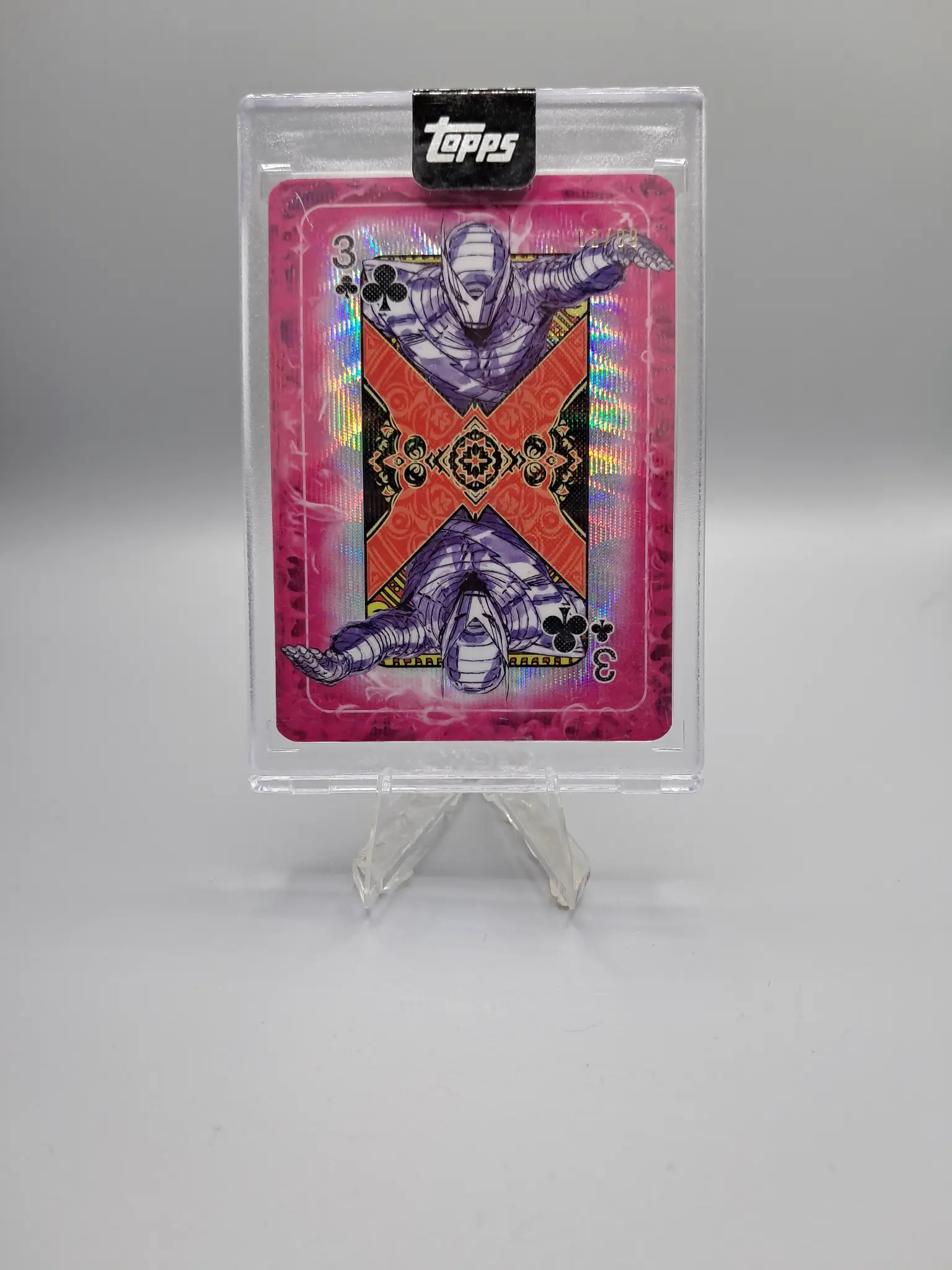
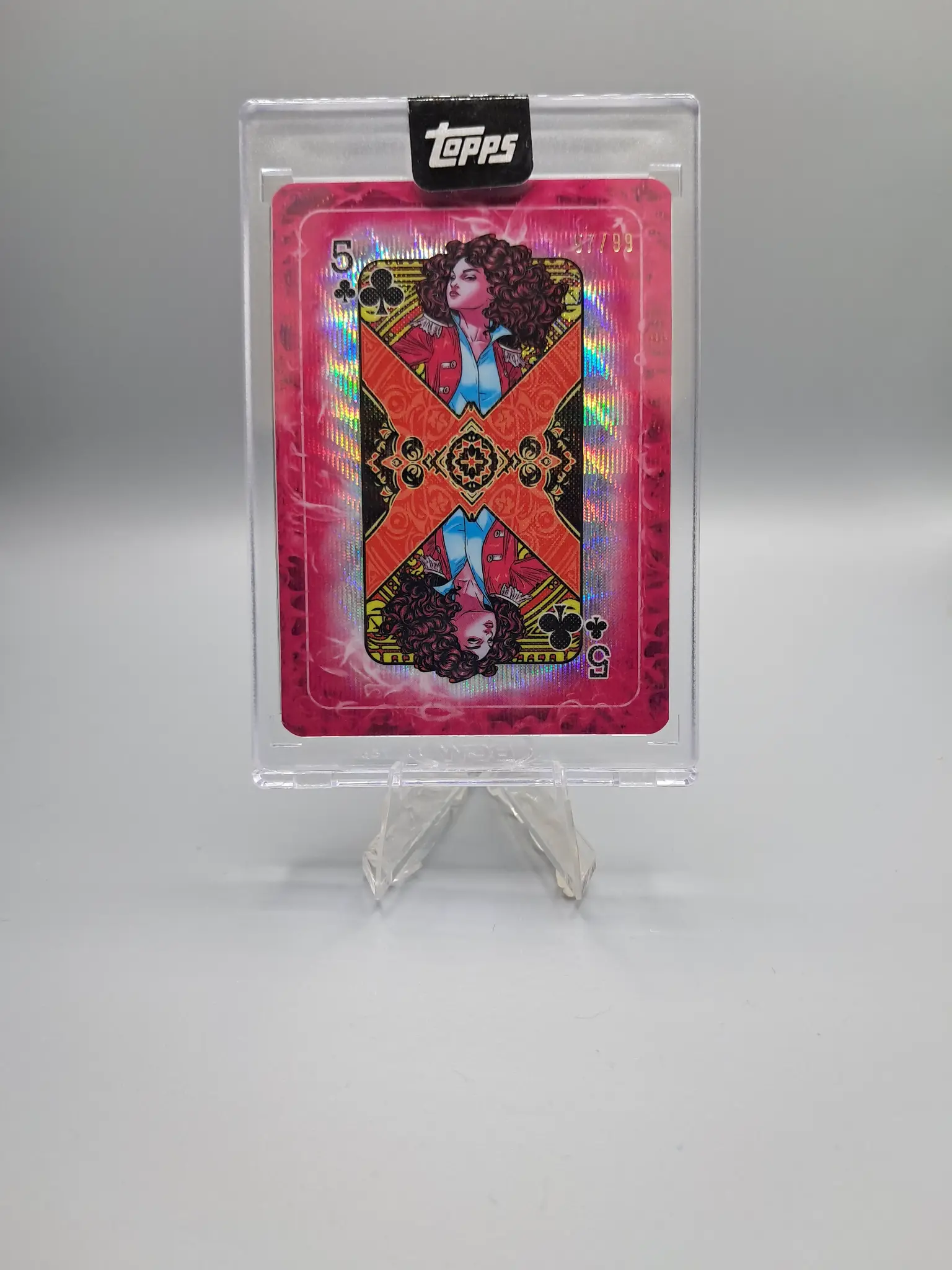
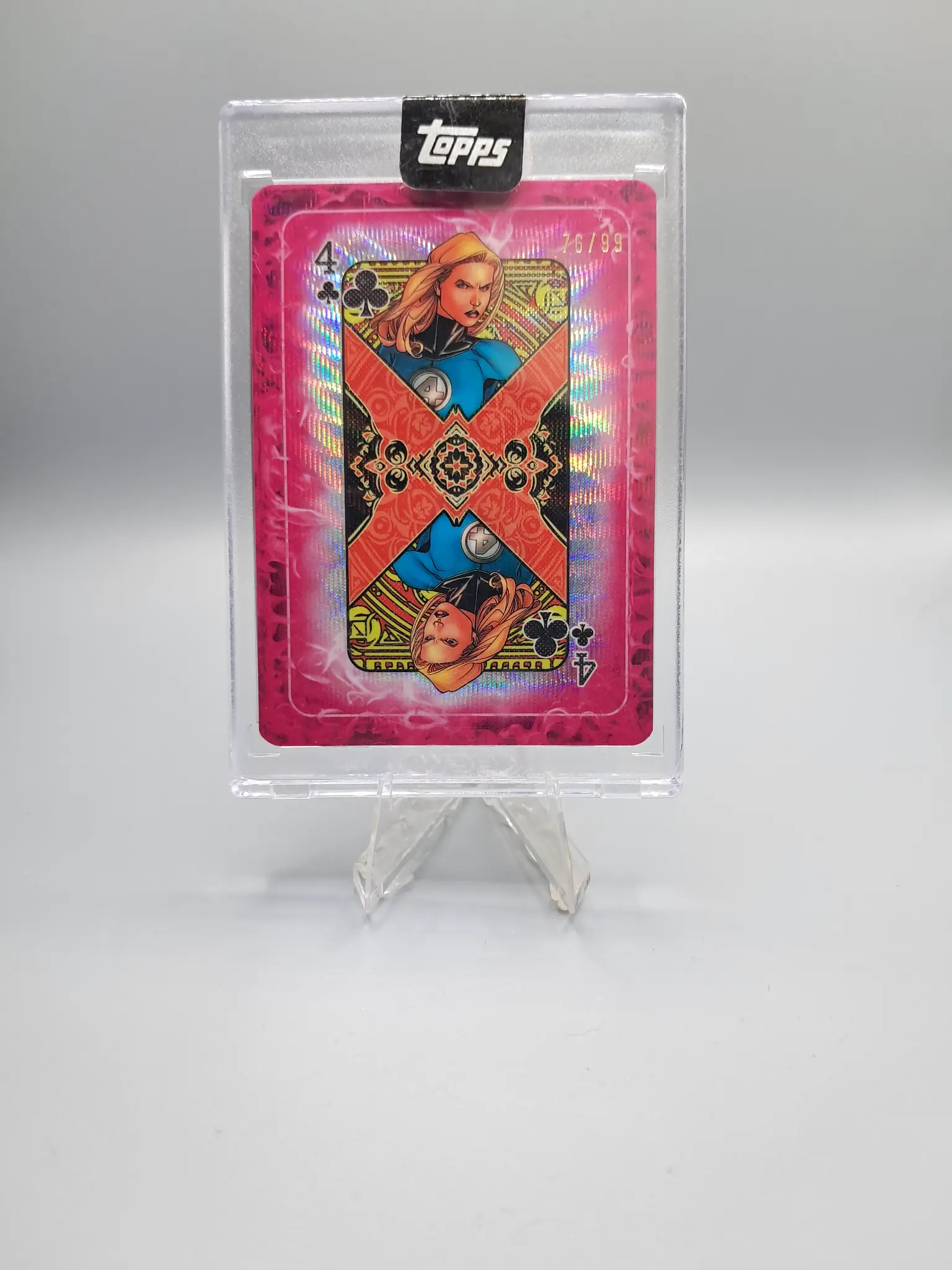
Now, this is where we, as collectors, really shine a light on characters like the King of Clubs! While he might not have a vast comic book bibliography or an MCU presence, his appearance on trading cards is a testament to the comprehensive nature of early Marvel card sets. For a character with such a brief comic book life, finding him immortalized on a card is a delightful surprise and a true deep cut.
The King of Clubs appears on 1 trading card across 0 sets in the Northland Legendary Finds collection. This singular card is a treasure for those who appreciate the complete roster of Marvel's heroes and villains, no matter how obscure. It's not about the power level or the number of appearances; it's about the completeness of the Marvel universe captured in cardboard.
Specifically, you can find the King of Clubs on the 1990 Marvel Universe Series 1 card. This set, produced by Impel, was groundbreaking. It was one of the first truly comprehensive Marvel card sets, aiming to catalog nearly every character, hero, villain, and team that had ever graced the pages of Marvel Comics up to that point. The fact that a character as fleeting as the King of Clubs made it into this seminal set speaks volumes about the dedication of the creators to capture the entirety of the Marvel mythos. For collectors, this card isn't just a piece of cardboard; it's a historical artifact, a snapshot of a particular moment in Marvel's publishing history, and a nod to John Byrne's clever writing.
At Northland Legendary Finds, we know that sometimes the most exciting cards aren't the million-dollar chase cards, but the ones that represent a deep knowledge of the lore. The King of Clubs card is exactly that. It's a conversation starter, a piece of trivia you can hold in your hand. It reminds us that even the most obscure characters contribute to the richness of the Marvel tapestry. It's a testament to the thoroughness of those early card sets that they didn't shy away from including characters who might only have one or two panels to their name. These cards are often overlooked, but for the discerning collector, they hold immense value in their uniqueness and historical context.
Why Collectors Love King of Clubs
So, why do collectors, especially those of us who frequent places like Northland Legendary Finds, have a soft spot for a character like the King of Clubs? It boils down to a few key reasons, and it's not about his raw power or his epic battles.
First, there's the novelty and obscurity. In a world saturated with Spider-Man, Wolverine, and Captain America, finding a character as niche as the King of Clubs is a thrill. It shows you've done your homework, that you appreciate the deep cuts, and that you're not just following the mainstream. It's a badge of honor for the truly dedicated Marvel historian.
Second, he represents a unique moment in comic book history. His existence is a meta-commentary on the industry itself, a playful jab and a respectful nod from one legendary creator (Byrne) to the broader superhero genre. Collecting his card or knowing his story is like being in on an inside joke that few others understand. It connects you to the cleverness and wit that often permeated comics, especially in the late 80s and early 90s.
Third, for trading card collectors, the King of Clubs card from the 1990 Marvel Universe Series 1 is a completionist's dream. To truly complete that iconic set, you need this card. It's a testament to the thoroughness of Impel's early efforts to document the entire Marvel universe. It's about owning a piece of that comprehensive vision, knowing that even the most minor players were given their due. It’s a reminder that every character, no matter how small their role, contributes to the grand narrative.
Finally, there's the pure joy of discovery. Imagine flipping through a binder of old cards and stumbling upon the King of Clubs, then diving into the comic to find his one appearance. That journey of discovery, of unearthing a forgotten gem, is what makes this hobby so rewarding. He's a character that sparks curiosity and encourages a deeper dive into Marvel's vast archives. So, next time you're sifting through some vintage Marvel cards, keep an eye out for the King of Clubs – he's a royal flush in a deck of legendary finds!